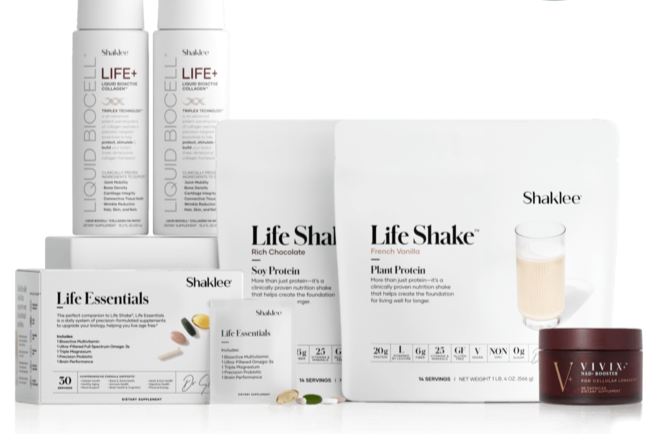
Shaklee Bio Age Calculator & Reset Stack
Your birthday tells one story. Your cells may be telling another.
That’s the idea behind biological age. Two people can both be 45 on paper, but one may recover quickly, sleep well, move easily, and show fewer signs of cellular stress. The other may feel older than expected because of inflammation, poor sleep, nutrient gaps, stress, or years of lifestyle wear and tear.
The good news is that biological age isn’t fixed in the same way calendar age is. You can’t rewind your birth date, but you can support the systems that help your body repair, renew, and stay resilient.
Before changing anything, though, you need a baseline.

What biological age actually means 🤓
Biological age is a way of looking at how your body is aging on the inside. It reflects things like cellular function, inflammation, metabolic health, recovery, sleep, and lifestyle habits.
Calendar age counts the years. Biological age looks at how those years are showing up in your body. Scientists study aging through patterns such as:
DNA damage and repair
Mitochondrial function, which affects cellular energy
Chronic low-grade inflammation
Telomere changes
Nutrient status
Oxidative stress
Changes in muscle, skin, and connective tissue
This doesn’t mean one online tool can diagnose your health. It can’t. But a good assessment can help you spot patterns. That’s where Decoding Your Biological Age becomes useful. It turns a vague feeling, like “I feel older than I should,” into a more practical starting point.
Think of it like checking your map before a road trip. You don’t need every detail of the route yet. You just need to know where you’re starting.
The Bio Age Calculator: Why your baseline matters more than guessing 📈
A lot of people jump straight into supplements, fitness plans, or strict diets without knowing what they’re trying to improve. That can get frustrating fast.
A biological age baseline gives you something clearer to work with. Tools like the Shaklee Bio Age Calculator can help you compare your biological age with your calendar age and reflect on habits that may be speeding up or slowing down the ageing process.
It’s not a medical test, and it doesn’t replace your doctor’s advice. But it can help you ask better questions, such as:
Am I recovering well after stress or exercise?
Is my sleep helping my body repair?
Am I eating enough protein, fibre, and micronutrients?
Am I supporting healthy inflammation levels?
Do I have a plan I can actually stick with?
Once you know your starting point, you can make changes with more confidence. You can also retake the assessment later and see whether your habits are moving in the right direction.

The lifestyle habits that help cells age better 🥗
Cellular health sounds complicated, but many of the basics are simple. They’re just not always easy to do consistently. Here are the habits that matter most.
Prioritize sleep because repair happens at night
Sleep supports hormone balance, immune function, brain health, and cellular repair.
Poor sleep can raise stress signals in the body and make cravings harder to manage the next day.
A realistic goal is to protect a steady bedtime, reduce late caffeine, and keep screens out of the last stretch before sleep when possible.
Eat for nutrients, not just calories
Your cells need raw materials. Protein helps maintain muscle and tissue. Fibre supports gut health. Healthy fats help cell membranes. Vitamins and minerals act as cofactors in many body processes.
A simple plate works well:
Protein such as fish, eggs, tofu, poultry, or legumes
Colourful vegetables or fruit
Healthy fats such as avocado, olive oil, nuts, or seeds
High-fibre carbohydrates such as oats, brown rice, or sweet potatoes
Move your body in more than one way
Walking supports circulation and blood sugar balance. Strength training helps preserve muscle, which is closely tied to healthy ageing. Mobility work keeps joints moving better.
You don’t need a perfect gym schedule. A brisk walk, bodyweight squats, resistance bands, and stretching all count.
Lower chronic stress where you can
Stress isn’t automatically bad. Your body can handle short bursts. The problem is constant stress with little recovery.
A few minutes of slow breathing, sunlight in the morning, a proper lunch break, or a quiet evening walk can help shift the body out of “always on” mode.

The Reset Stack: Where targeted nutrition fits in 🎯
Food, sleep, and movement are the foundation. Targeted nutrition can help fill gaps and support specific ageing pathways.
This is where the Bio Age Reset Stack comes in. Instead of randomly picking supplements, the idea is to combine nutrients that support cellular energy, structural health, antioxidant defence, and resilience. A smart cellular health stack may include support for:
Collagen and connective tissue - Collagen is a major structural protein in the body. It supports skin, joints, and connective tissue. Collagen production naturally changes with age, and nutrition can help provide building blocks.
Essential micronutrients - Vitamins and minerals support enzyme activity, immune health, energy metabolism, and normal repair processes. Even a strong diet can have gaps, especially during stress, travel, or busy seasons.
Polyphenols - Polyphenols are plant compounds found in foods like berries, tea, cocoa, and colourful fruits. Research suggests they help support antioxidant defences and healthy inflammatory responses.
NAD-related cellular energy pathways - NAD is involved in energy metabolism and cellular maintenance. Interest in NAD has grown because it plays a role in how cells respond to stress and manage repair processes.
Used wisely, Shaklee, reset stack, NAD, and collagen support can be part of a broader plan that also includes better sleep, movement, and food choices.
You can explore the full Shaklee Bio Age Reset Stack to see how the products are grouped and whether they fit your goals.
A simple way to start your own bio age reset 📋
Don’t overhaul your life in one weekend. That usually backfires. Start with a baseline, then build a plan you can repeat. Try this:
Calculate your baseline - Use the Shaklee Bio Age Calculator and write down your result.
Pick two habits to improve first - Choose the changes that feel most doable. For example, walking after dinner and getting to bed 30 minutes earlier.
Add nutrition support if it makes sense - Look at your current diet and routine. If you’re missing key nutrients or want more targeted support, consider a structured stack like the Shaklee Bio Age Reset rather than guessing.
Track how you feel for 30 days - Watch for better energy, recovery, digestion, sleep, skin, or consistency. These day-to-day signs matter.
Recheck your baseline later - Give your body time. Healthy ageing is built through repeated signals, not one perfect week.

The real goal is better cellular resilience 🌿
Biological age is about understanding how your body is responding to your daily choices. When you know your baseline, you can stop guessing. You can focus on the habits and nutrients that support how your cells make energy, manage stress, maintain structure, and recover.
Start with the Shaklee Bio Age Calculator and choose a few changes you can live with. Support your body with food, movement, sleep, and targeted nutrition when needed.
This content is for information only and isn’t medical advice. If you have a health condition, take medication, are pregnant, or are making major changes to your supplement routine, check with a qualified healthcare professional first.